
Wedding Photography

Wedding Photography

Etiquette, styles, key shots, and editing techniques specific to weddings...

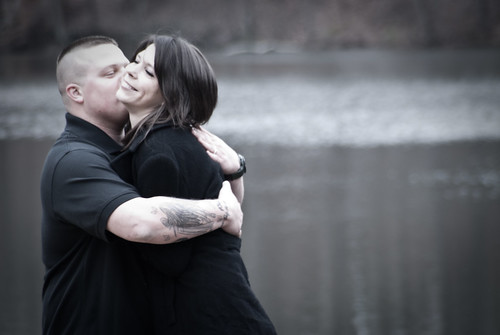
Bo and Adriene

Engagement Photography

How to shoot engagement or couple photos that catch feeling and emotion.

Best of the Best

Portfolio

How to make a portfolio, and what to put in it...

HDR

HDR and Advanced Techniques

Learn advanced photo techniques like HDR and editing tricks!

Choose 2!

The Business

Marketing and advice about the business side of photography

Showing posts with label wedding. Show all posts

Friday, March 26, 2010

Judge Joe Brown knows his wedding photography...

Posted On 3/26/2010 12:14:00 AM by suctionhorse 0 comments

...and can spot amateurs shooting their first weddings. When you get a second, watch this segment of Judge Joe Brown getting on to some wedding photographers that didn't know what they were doing. The bride ended up winning the case and rightly so. These "wedding photographers" had horrible attitudes, knew nothing about their gear, used low end equipment and Judge Brown knew more than they did about technical photography terms and lens apertures.


Originally Posted by shphoto32 View Post
I watched this video and it scared me: YouTube - Judge Joe Brown - Cheap wedding photographer
This video SHOULD scare all of you.

You should be scared to death doing a wedding for the first time: If you don't know what you're doing, if you're not covering your ass, if you don't have back ups, if you don't have somewhat professional gear, you haven't communicated with the bride, family and venue/church and if you don't have professional post (editing) software and computers.

The bottom line is, you can ruin your own reputation and the reputation of other photographers before you even get started and you can get your butt sued off!

If you've never done a wedding before, DON'T DO IT!
Do something else first:
  • Be a 2nd shooter
  • Intern for free with an established photog
  • invent/create a fake wedding portfolio using models in wedding dresses and shoot scenes from weddings
  • read every book you can find on the business of wedding photography and practice every chance you get
Get a portfolio together before you EVER shoot a real wedding where the couple is counting on you for capturing a ONCE IN A LIFETIME moment. A portfolio shot means that you have experience shooting "this kind" of shot and you can do it with ease and artistically every time. Each of these moments could be missed just because you:
  • weren't zoomed in enough
  • made the shot blurry or under-exposed because you didn't know how to shoot in low light
  • weren't paying attention
  • had gear that wasn't fast enough, powerful enough or didn't respond when needed
  • had a bad/low battery.
You Are A Business

Get a business plan together. You will be presenting yourself as an independent contractor, a business person. Are you ready to start your own business yet? What do you know about LLCs? Insurance? Do you know about releases? Do you have access and use basic legal documents to cover your ass? Do you have enough capital to cover yourself if you get sued? (usually around $5000) (Its not IF you'll get sued, its WHEN you'll get sued). Do you know how to explain the value of professional photography to your client (why they should pay you so much, or anything at all?) Be VERY careful if you don't have some kind of insurance. I'm not saying it shouldn't be done, but just know that the above can happen.

Get to know your gear...

...and all of the manual settings like the back of your hand, like your camera is a cybernetic hand and each manual button is attached to your brain.

This is going to sound harsh to many but, don't use bottom of the barrel "pro-sumer" type gear (this includes Canon's Rebel series (XS, T1i is ok), Nikon D-40, D-50 (discontinued for a reason) D-3000, Pentax K-x, Sony A230). The reason for this is:
  • most of the external buttons and knobs that you need to access essential features fast in a pinch are hidden inside software menus
  • plastic camera bodies (easily cracked)
  • smaller LCD screens
  • smaller bodies are more awkward for hands
You can't make your camera part of you if you are always hunting and pecking through 3 nested levels of menus to find that manual ISO setting that you need for the kiss shot because the lighting changed.

And that's just the basics. I'm really not trying to crush anyone's dreams of being a wedding photog. Just wanted everyone to know the realities and the work that goes into being a wedding photog. Good luck to everyone and keep learning!


Wednesday, February 18, 2009

Traditional vs. Photojournalistic Wedding Photography

Posted On 2/18/2009 11:38:00 AM by suctionhorse 0 comments

old wedding photo
The profession of wedding photography has evolved over the years from a simple one or two shot posed portrait (photo by Erica_Marshall) into what it is today, where the bride has almost endless options of how, who and what she wants photographed on her wedding day and the line is being blurred between "traditional" type wedding photography and a more photo journalistic approach to the wedding day. Here are some characteristics of each:

  • Traditional Wedding Photography - is more portrait based. Scenes and shots are usually set up in advance during, before or after the wedding. The subjects are posed using tried and true / pleasing to the eye arrangements.
  • Photojournalistic Wedding Photography - is more candid and photos are captured spontaneously to show once in a lifetime moments and emotion. Much like photojournalists for the media, wedding photojournalists present a story through the use of photographs.
Advantages of Traditional vs. Photojournalistic Wedding Photography
  • wedding dressTraditional Wedding Photography creates more classic and commercial / frameable type photos that a wider range of people will enjoy (ie. close ups on faces, family portraits, well framed staged events like the cake cutting).
  • Photojournalistic Wedding Photography creates more of a reality capture and true feel of the day as the photographer stays out of the way and shows details that would usually be missed. He also captures the action as it happens on the spot, bringing the emotion and fun of the day to light. While these pictures may not be classically framed or lit, they are always very artistic and bring back memories for the couple.
Most brides these days want a combination of the two styles so they can get traditional family pictures for their relatives AND have some great artistic shots for themselves.

Another evolving type of wedding photography is the Fashion Style wedding photography. This is a combination of both traditional and photojournalistic where the photographer creates pictures that look like they are inspired by editorial fashion photography as would be found in magazines like Vogue or Vanity Fair. This type is usually more involved and more expensive since the couple usually have to go to different locations either before or after the wedding with the photographer and have shots done with studio style lighting, fashion posing and professional makeup and hair.

An easy alternative to a fashion wedding shoot is another interesting trend called Trash The Dress. This involves a post wedding photo shoot where the couple dress up formally and go to grungy locations for a contemporary fashion shoot. Some also jump in the water with their dresses or explore caves and forests. These can be done with studio gear but available light (because the shoot is outside) makes these look great. Convince your bride (and MOB) to do a Trash The Dress and you'll both have a blast and some great looking pictures!


Creative Commons License


Monday, February 9, 2009

Essential Gear For Your Wedding Photography Business

Posted On 2/09/2009 03:06:00 PM by suctionhorse 0 comments

Photo by THEMACGIRL* on Flickr
I guess everyone needs a basic gear list to start up your wedding photog business. So, I'm going to give you some minimum recommendations for camera gear that you need in order to begin your photography business and look like (or at least pretend) that you are a professional and have spent time and a little bit of effort finding gear that will get you and your clients professional results.

Camera Bodies

You need at a minimum two camera bodies. I would recommend two DSLRs instead of film SLRs or point and shoots, but if all you can afford right now is a film camera instead of another $700 DSLR then bring what you can get by all means. I myself am not to the point of two DSLRs just because I can't afford another right now. So, I'm using my old Nikon F-4s film SLR for my backup. I always carry a decent point-and-shoot as well, as a 3rd backup.
If you are going to go ahead and get two DSLRs, I recommend that your backup body have the same sensor size and lens compatibility as the primary - it's too easy to get tripped up by moving between different pieces of equipment. This is a risk you don't have to take. You also need something that has a high megapixel count (10 Mpxl or better) (for enlargements that the client might want), quick handling of knobs and buttons, good low light (high ISO) handling, and the ability to shoot in RAW (for easy post processing). Some minimum suggestions are below for a few different brands of camera bodies:
As you can see most pros go with either Nikon or Canon. Both of these brands have the widest choice of options, lens options, flash and accessory options. They also handle better, last longer, and in my opinion are better made than the Sony, Olympus or Pentax bodies out there.

Lenses ("glass")

This is were most inexperienced photogs go wrong. They shell out the bucks for the body and then use the kit lens or buy the cheapest zoom that they can find. Do your own research but be sure to pick up some of the below lenses and know their characteristics and when to use them:

  • 50mm f/1.8 - this is your low light (fast) essential lens that needs to be in everyone's bag. You can get close to macro shots with this (as close as 10 inches) if you don't have a macro lens, and the depth of field is amazing on a good one. Great for low light weddings where you can' use flash.
  • ? - 300mm zoom - these usually start out at about 70mm so you can use them for your standard portraits and not get deformed faces then you can also use the 300mm side for your extra long shots in the church or from the balcony so your couple won't look like specks in the distance. Try to get the Vibration Reduction or image stabilized version to reduce camera shake.
  • 10 - 24mm ultra wide - these are awesome for grabbing shots of the WHOLE cathedral if its a big church or outside in a large open area. These also allow some creative photojournalistic shots with their fish-eye effect.
Flash

At a minimum you want an iTTL flash that has fully configurable manual settings as well and buttons that are quick and easy to see in the dark. The i TTL will just make your life easier and you need to be able to do manual settings for creative effects. Here are some great suggestions that will last a while and won't totally break your budget.
Tripods

A good heavy and steady tripod is also essential for your formal and family portraits to ensure nice tack sharp photos. Listing these could be a whole blog in and of itself. Get one that tightens up and head that is versatile enough for your needs (ball head, quick release for vertical shots). I use a Manfrotto 055XPROB Pro Tripod. I would spend no less than $100 on a good, tight, stable tripod.

Other than these essentials, I would consider anything else an optional enhancement or upgrade to save time. (Which is another blog also... ;-)

Renting is also an option if you are just starting out for your first or second gig. Most top of the line professional gear can be rented from local independent camera stores for $100 - $200 depending on what you need. That way you can get some great quality shots for your portfolio and then save up to buy that Nikon D3 (mmm... yummy!)

©Creative Commons 2009


Tuesday, January 20, 2009

Eat or starve at your wedding shoot?

Posted On 1/20/2009 12:32:00 AM by suctionhorse 0 comments

So, I came across this conundrum while I was shooting the Holloway wedding Saturday (some of you may have seen some of their engagement pics below and on my Flickr site)...

Should you eat during a wedding shoot?

For the past few weddings I've done, I've just gone hungry or have eaten something before hand, because I was just to shy or embarrassed to ask if it was ok and then most of the MOBs or FOBs have volunteered to get me a to-go box or something. So, I decided to do a little research and see what other wedding photogs do. Here are some of the options I found:
  • If its a short wedding, (4-6 hours) just eat before hand or bring a granola bar or energy drink with you. Some hosts will let you eat off the buffet anyways. Be sure to ask.
  • Ask the bride or MOB during your initial meeting if the wedding will be longer than 6 hours and if so, ask or have a question on your contract about whether a meal will be provided or you can take a short break to eat something off the buffet in the back kitchen.
  • If not, ask to have a short 15 minute break while everyone else is eating to eat yourself.
  • If its really important to you, or you start feeling woozy if you don't have a regular meal, put it as a stipulation in your contract that you MUST have one of the above options.
  • Explain to your hosts during the initial meeting that if they provide you a small table to eat at, you will be able to keep an eye on the wedding to make sure they aren't missing anything. If you simply leave for an hour to get something to eat, you might miss coverage of something important during your reception.
For the record, the MOB on Saturday was very generous and let me have my pick of all the buffet in a big to-go box for the road and I wasn't really starving because it was a fairly short wedding (4 hours). So, this post in no way was any fault of the Latta or Holloway family, it was just something that we forgot to discuss ahead of time.

So, that's one thing I learned this time around. What are some of you guy's experience with eating during your shoot? Did they let you? Was it discussed ahead of time? Please leave me a comment.

©Creative Commons 2009


Wednesday, January 14, 2009

How To Shoot Great Engagement Pictures In Less Than an Hour

Posted On 1/14/2009 02:46:00 PM by suctionhorse 0 comments

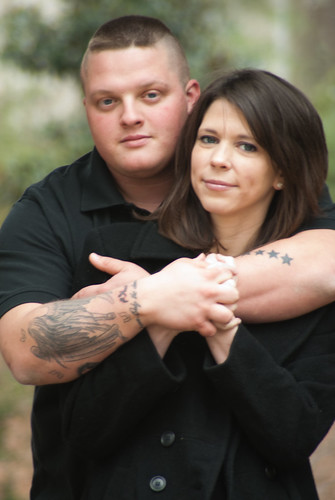
Bo and Adrienne by Josh Self from Flickr
So, you've met with your bride and family and booked an engagement shoot. Where do you shoot your couple? What location is right for your couple? How do I do the shoot quickly and efficiently without wasting everyone's time trying to find the right spots?
I've found the answers to these questions in the past two or three engagement shoots that I have done.

The first engagement shoot I did took 2 or 3 hours as I wandered around the location that I had picked trying to find some "great" shots as my couple looked at me like I was an idiot. So I decided not to do that again. I wasted both my clients and my time by not being prepared. Here are some tips for shooting engagements efficiently that also look great:
  1. Have 3 or 4 different style locations in your local area picked out ahead of time to tell your clients about when meeting with them initially. These could be different style locations (ie. garden, vintage, urban, farm, forest, or even more unique locations that you have found) so your client will have a few different options to choose from at the initial meeting
  2. Have test shots or portfolio shots on hand during the initial meeting from each of these locations to show your bride how awesome each location is. (I guarantee you will upsell engagement sessions this way!)
  3. Book the engagement session as early as possible, but at a time convenient to the couple. They need to use these for newspaper announcements, wedding programs, or Save The Date cards.
  4. Scout out the location ahead of time. Either a few days / weeks before or arrive WAAAY early to the location on the date chosen to scout shot locations.
  5. While scouting be sure to frame shots and find places with good depth of field and focus options. Take a few test shots to show your couple once they arrive (optional) .
  6. Don't waste time once your couple get there.
  • be friendly and make them feel comfortable (this is VERY important, and it will show in your pictures if the couple isn't comfortable with you!)
  • get down to business and communicate what you want them to do and where to go. They want you to take charge and be professional. (Remember they trusted you enough to book with you!)
  • you have your shots already scouted out right? No reason to dilly-dally (note to self: investigate the origin of that word :-). Shoot away!
  • Do some posed (looking at the camera) and a lot of candid / fun ones. They couple need the posed ones for the print media that they will be doing and the candid ones for personal use and slideshows.
The client will be impressed by your efficiency and happy that they can be done with this awkward situation quickly. Just make sure your framing, focus and all the other technical photographic techniques you've learned (you learned these right?) are up to par. Oh and remember the Rule of Thirds! HUGE! (See my photo of Bo and Adrienne above...).

After you've done 3 or 4 shot locations with 3 or 4 poses each, there's really not too many more variations on a couple shot that you can do anymore. Show the couple yours shots on the preview screen on your camera and ask them if they would like to do any more? The trick is to make sure you get some great shots in each location and pose. Once you have these, and the client likes them, you're done!

My last engagement with Bo and Andrienne took a little longer than 45 minutes! I'm not saying to be so fast that you forget shots or take quick blurry shots that are sub-par but be efficient and do it right. Your client will be thankful.

© Joshua Self Creative Commons 2009


Monday, January 12, 2009

Making The Sale With Your Wedding Photography Clients

Posted On 1/12/2009 10:49:00 AM by suctionhorse 0 comments

photo by blog.jmc.bz from Flickr
photo by blog.jmc.bz from FlickrI guess the most critical time for a wedding photographer comes, not when you get an appointment, but at that final decision making time, when your client has to decide either to go with you or "keep looking" and how to encourage your wedding photography clients to close (with YOU) on the booking/sale.
So what are some good ways to "make the sale"? I'm going to share a few that I have learned but I'm really looking for you guys to help me with some good ideas so please leave me a comment or advice on how you would do it.
So, when you've shown your client all of your portfolios and have given your sales pitch, its down to your potential client making their final decision. I've been reading just some general sales articles and ideas that could apply to wedding photography, so try some of these:
  1. "Does this sound fair to you?" / use final closing phrases. Read this great article from the Missouri Small Business Development Centers for some great tips on closing a sale.
  2. Ask them which package they would be interested in. Giving them choices helps put them in the mindset of having already made the right choice of YOU!
  3. Offer to beat the price of any competition... even if its by $50 or $100. (I've gotten 2 wedding bookings this way!)
  4. Offer to add freebie's if the negotiation is going sour... (free or discounted engagement shoot, free 8x10, etc...)
  5. "Do you think that this (option) would be something that you would be interested in?"
  6. Know you client's potential "wants" as well as their needs. (ie. Brides want to look like models in a magazine, needs would be: Traditional group photos for grandma's picture window.)
  7. Don't be too anxious or nervous. People can smell desperation. Be yourself. Be honest. Let them know upfront what they are getting. Write out and practice some key selling points that you will talk about ahead of time if you are the nervous type.
  8. Finally, be prepared for the close. "Let's get this paperwork out of the way, so I won't waste any more of your time..." (actually have all the paperwork printed out so that its easy for the client to fill out and it answers all your questions about the "when" and "where")
In closing: Be organized, be yourself, know how to provide a solution to your client for their needs AND wants, then know and practice closing.

Please leave me a comment if you have any other good suggestions for closing a sale and I'll add them on here!


Monday, January 5, 2009

Essentials For Booking Weddings For Photographers

Posted On 1/05/2009 02:37:00 AM by suctionhorse 0 comments


The other day, I got a surprise phone call for a wedding photography shoot in January. She was referred by a bride's mother from a wedding that I shot last year. Since I wasn't expecting any new business until Spring, I found myself a little rusty and unprepared on the business and sales side.

So I thought I would post a few tips for all you wedding photographers, to make sure you guys attract and KEEP your business rolling throughout the year, not just Spring and Summer.

Before meeting your potential client, be sure to have an answer for these questions (because I've been asked them hundreds of times):

How much do you charge?

This one may be tricky to determine, but it usually depends on your experience, the quality of your portfolio and if you came highly recommended. My advice start free... yes free, for your first wedding.
  1. Charge only for the price to develop or print out your photos and the price of the proof book. Put the best of the best from that shoot into your portfolio.
  2. Then, the next wedding start low-balling. I'm talking about ridiculous prices ($100 -$200). And explain to your client that you are "just starting out" and to give you a chance and you'll give them their money's worth and much more. Then give the client a full workup package (unlimited hours, six 8x10s, two 11x14s, etc...). Basically you won't make any money off of this shoot either... BUT now you have a GREAT looking portfolio and your client will be proclaiming your generosity to the world!
  3. Make sure you have pimped your name out to your first clients with extra business cards and freebies, asking them that, in exchange for your low price, would they mind giving a testimonial that you could quote and use in your marketing and to please pass my name around to anyone they know that has a wedding coming up.
  4. After 2 or 3 weddings like that, you'll have an AWESOME portfolio that will sell itself and you can slowly start charging "regular price" and putting together packages to maximize sales.
Why are you so expensive?
There should be several reasons that you can explain to your client the big WHY in wedding photography:
  • Intangible Artistry. Photography is a skill and an art. A professional doesn’t simply memorize what all the camera buttons do; you are able to capture the beauty and emotion of your client's day in a unique way. Good photos are more than just technically correct, they are the culmination of the skills you have learned and your creative "eye".

  • Like professionals in any other field, wedding photographers have worked out their pricing system for a reason, and it's not just to part your client from their money! Professional photographs are a wonderful way to capture memories. They are not essential, but they are priceless. A good photographer will provide the client with photos that are worthy of becoming part of their family's history.

  • Equipment. High quality camera bodies can cost $5,000. Lenses can cost $1,000 each. And at 2,000 to 3,000 frames per wedding, even a good camera will need to be replaced every couple of years not to mention flashes, light meters, tripods, camera bags, etc...
  • Hidden Work. Every meeting with potential clients is an investment of his time, whether you get the job or not. You will spend time with them before the wedding to go over your plan for the day, the shot list, and the design of any albums you may wish to purchase.

  • Once the wedding is shot, you will spend hours editing, retouching, and color-correcting hundreds of images and then creating an album and/or online gallery of the final wedding photos.

What do I (the client) get if I go with you?
This is up to you and how much you are charging. But make sure your client knows the answer to this up front.

How long will/can you work?
Make sure there is an hour limit or hourly rate in your contract (charging for overtime after a certain amount of time), or you'll be at the reception till the cow's come home... literally.

Do I get the (digital) negatives to make copies for myself?
According to federal law, images produced by a professional photographer are copyrighted the moment they are created. Federal law prohibits copying or reproducing copyrighted material without permission from the owner of the copyright, i.e., the photographer. If a client copies or scans your photos, the photographer should be paid just as if they were buying reprints. If you or your videographer transfer the proofs to videotape, the photographer should be paid just as if you were buying reprints.

BUT, photographers are free to negotiate and sell their negative rights away to the client for free or for a fee. I suggest negotiating a minimum fee for the rights that would be the same price as a client would spend purchasing reproductions or enlargements from you. That way you both come out ahead and the photographer doesn't lose enlargement sales.

What kind of packages do you have?
Be creative with this, but there are some standards. Have "Small, Medium and Premium" type packages and make the Premium package be a better deal for the client (give a slight discount for the individual items). Then they are more likely to buy the Premium.

Next time:
How to encourage your clients to close on the wedding booking/sale...